

By Hwang Kyo Ahn
This content was produced via a partnership with KCPAC. The views and opinions expressed in this commentary are those of the authors and do not reflect the official position of the Daily Caller.
For many South Koreans, faith in their own liberal democratic process has eroded.
At the Davos Forum on Jan. 21, President Donald Trump announced that those involved in 2020 U.S. election manipulation will soon face prosecution.
Today, Koreans wait with bated breath for the outcome of such an investigation, hoping that what has long been mocked as a “conspiracy theory” will be revealed as a dark reality. This is not an isolated problem, but part of a suspected global cartel of electoral manipulation.
The patterns of alleged election fraud in South Korea are strikingly similar to those in the United States. And just as in America, South Korea’s mainstream media has systematically silenced public suspicions over election integrity, choosing instead to stigmatize concerned citizens as far-right conspiracy theorists.
A Cartel Under Judicial Protection
Despite mounting evidence of election irregularities linked to South Korea’s National Election Commission (NEC), a deeply troubling reality persists. By long-standing custom, the heads of local election commissions are frequently drawn from the ranks of sitting judges. As a result, an institution accused of election manipulation effectively operates under judicial protection. This is the tragic reality for South Korea.
In election-nullification lawsuits, Korean judges appear reluctant to acknowledge serious flaws within the National Election Commission (NEC), fearing that such rulings would implicate not only themselves but their fellow judges as well. As a result, courts have repeatedly dismissed challenges aimed at invalidating elections.
In South Korea, it has become increasingly difficult to trust the judiciary to deliver fair rulings grounded in law for cases involving elections.
Over the past six years, South Korea has seen the left-wing Democratic Party and its allies win overwhelming victories in every National Assembly election. Such a pattern is without precedent in the country’s modern political history.
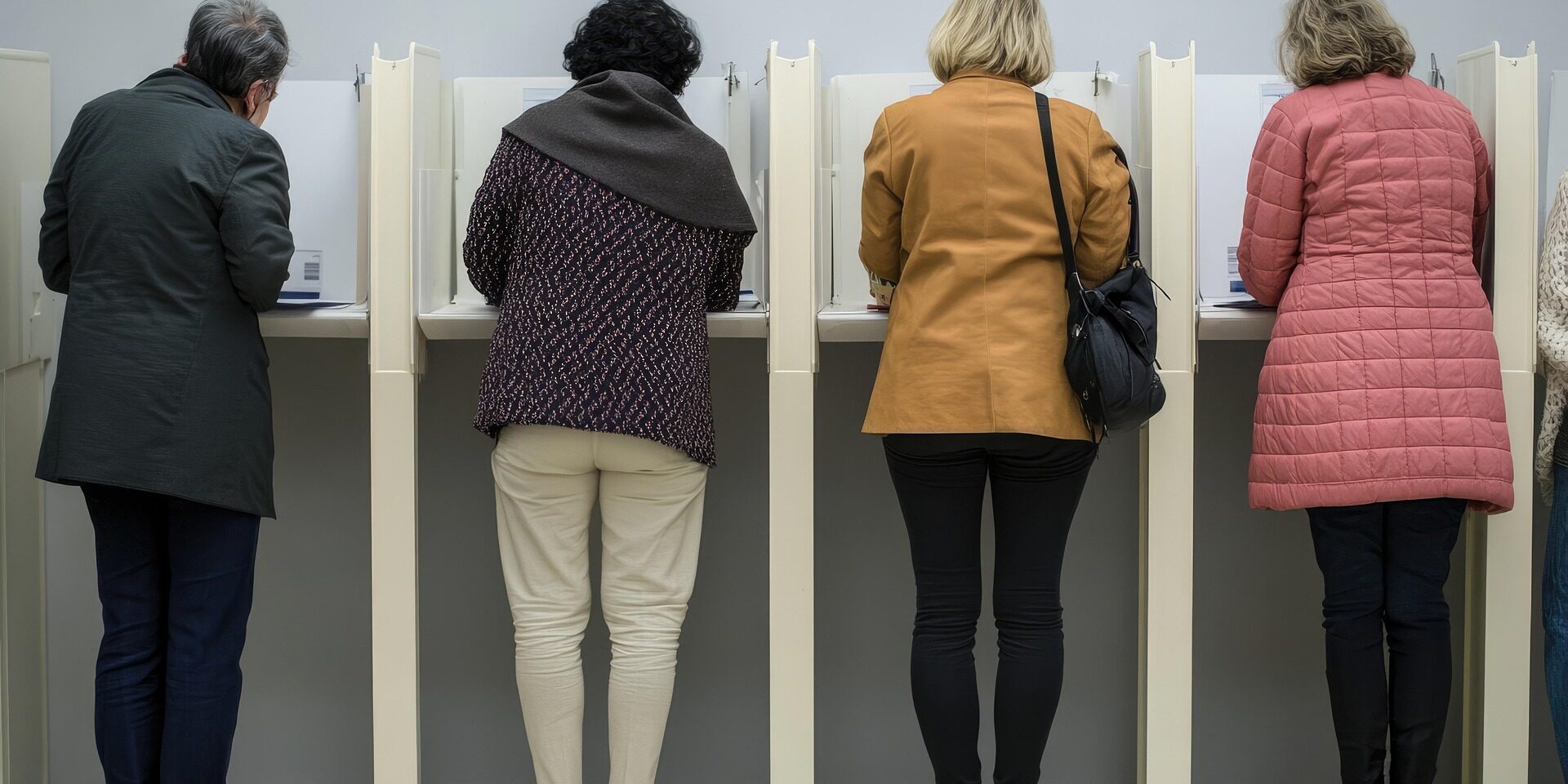
These results have been driven by South Korea’s early voting system, a shift that closely mirrors America’s mail-in voting process. In President Yoon Suk Yeol’s election, a contest that should have produced a landslide victory was decided by a razor-thin margin of just 0.73 percent.
At the time, the monitoring efforts of a citizen watchdog group I organized (the Election Justice & Anti-Corruption Army), together with dedicated patriotic citizens, proved critical.
Evidence Denied, a President Under Siege
In December 2024, conservative President Yoon Suk Yeol attempted a bold intervention by declaring martial law and deploying troops to the National Election Commission (NEC) to search for evidence of election fraud. Regrettably, reporting and testimony confirm that the troops did not access the NEC’s computer servers.
In the aftermath, the left moved to impeach President Yoon Suk-yeol and has recently sought the death penalty against him on charges of insurrection.
So who is orchestrating all of this? I point directly to pro–North Korea forces within South Korea and the Chinese Communist Party (CCP).
The Puppet Masters In Beijing And Pyongyang
One of those who first introduced electronic ballot sorting machines to South Korea co-authored a paper on BIG DATA–driven election campaigning with a leftist figure who had previously engaged in espionage on behalf of North Korea and had been employed for years as an administrator for a Korean firm in Beijing.
Read the rest of the article at Daily Caller